Baccarat payouts explained should be more than a table of numbers: it is about understanding what a winning hand returns, how the house edge shapes long-term results, and whether the interface makes every choice clear. For Australian adults considering online play, the essentials include AUD support, obvious fee information, fast navigation and responsible gambling tools. Those features do not remove the risk, but they can prevent avoidable confusion. This guide examines payout clarity, everyday usability and sensible session limits without pretending baccarat is a shortcut to profit.
Reading Baccarat Payouts and House Edge
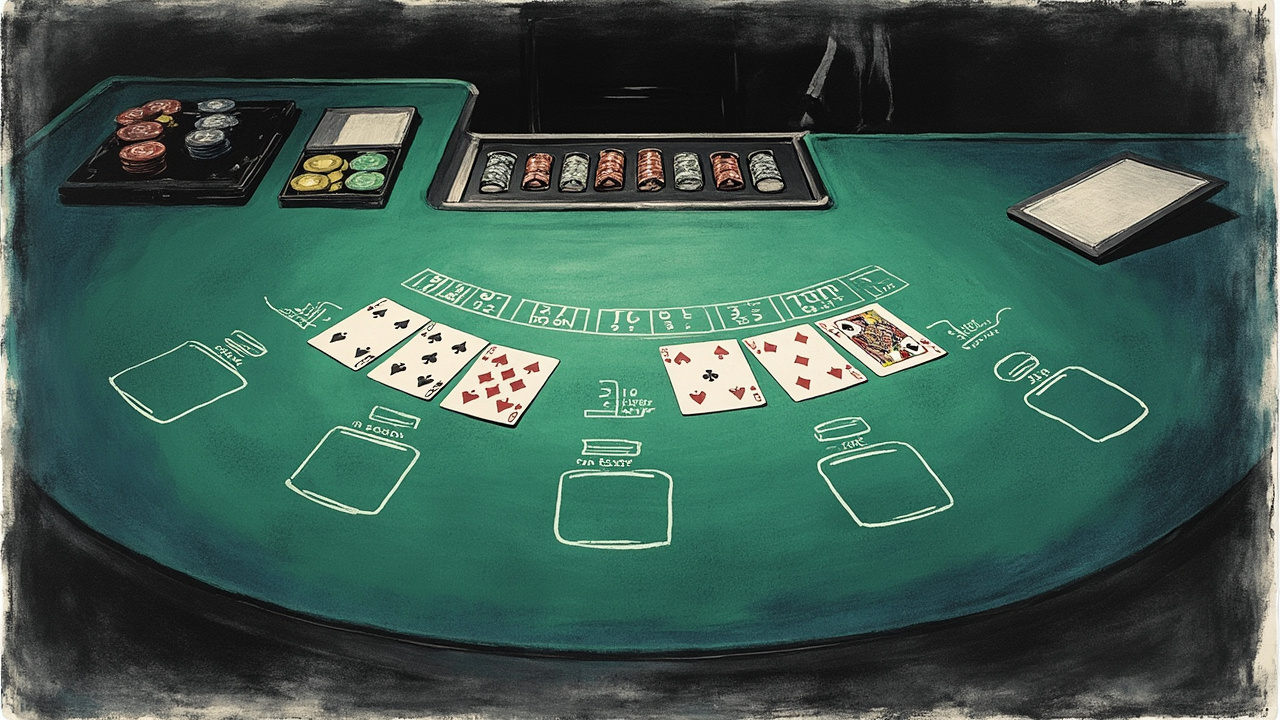
A standard baccarat win pays 1:1, meaning a successful Player or Banker bet returns the stake plus the same amount in winnings. A Tie generally pays 8:1, while Bet Banker carries a 5% commission on winnings. That fee means a $50 winning Banker wager returns $72.50 total, not $100. A losing stake is lost, and drawing produces no return. These figures describe the game structure, not a betting system.
The underlying odds matter because payout rates alone do not indicate value. Of eight possible Banker outcomes, nine tie the player and banker, while five favour the banker; five favour the player and nine favour the banker. The banker’s slightly stronger position is balanced by the commission. In standard baccarat, the house edge is about 1.06% on Banker, 1.24% on Player and 14.36% on Tie. A session can finish above or below that mathematical expectation, so short-term results should not be treated as proof of an edge.
Some variants apply different rules, including the treatment of third cards. Payout tables and house-edge figures can therefore vary by game. Keep the rules visible before staking and compare the return, not merely the headline multiplier. An 8:1 tie payout may look generous while still carrying a much higher house edge than either main bet.
Cash-out features complicate this further. They allow bettors to settle a wager before the hand ends for a guaranteed but usually reduced return. That can help manage an active session, but it can also crystallise a loss or surrender a favourable position. Read the cash-out quote and any fee first; “guaranteed” describes the quoted settlement, not a profit.
Payout Information Within the Interface
Clear payout information should be available without requiring players to hunt through menus. The best layout presents Player, Banker, Tie and any side-bet limits on the betting panel, then keeps commission rules and third-card conditions nearby. Before committing funds, confirm the currency, stake range, winning return and any commission. A visual table is useful, but plain Australian English alongside it is more useful still.

For this comparison, imagine an Australian baccarat lobby built around AUD, with game information in English, local time displays and a compact search function for variants, providers or betting limits. Mobile banking needs enough spacing to separate chips, odds and settlement information; crowded buttons are poor usability even when the underlying mathematics is correct. Desktop views can accommodate richer rule panels, but the same figures should remain accessible on a phone.
Search also saves time when a lobby contains multiple providers. A working filter for “Baccarat”, “AUD” or a preferred stake range is more valuable than a large, decorative catalogue. Australian players should also see whether live tables and automated games use identical payout rules. They may look similar while applying different commission or tie structures.
Registration should be straightforward without weakening account controls. Age verification, identity checks and deposit limits are legitimate safeguards, not obstacles to bypass. Geo-restrictions must be respected, and offshore operators should never be described as licensed or regulated in Australia simply because an Australian-language site is available. Payment options should state minimum deposits, withdrawal methods, processing times and fees before an account is funded.
Localisation, Features and Practical Play
Localisation extends beyond currency and spelling. A well-designed platform should use Australian conventions, explain unfamiliar terms and avoid ambiguous rounding. If a $10 bet returns $7.20 after commission, the interface should show that figure directly rather than hiding the calculation behind a “multiplier”. Bonus mechanics need equal scrutiny: a promotional credit may have wagering conditions, capped conversion or expiry rules that change its practical value.
The comparison here treats usability as part of payout understanding. Suppose a lobby identifies AUD betting limits, provides searchable baccarat tables and shows a plain-English rules panel before each round. Another lobby offers more games but buries commission details and mixes dollars with other currencies. The first is easier to navigate and compare, even if both catalogues look impressive. The second may create more friction and accidental errors.
Support should be reachable from the cashier, game rules and responsible gambling settings, not hidden in a separate section. Players should be able to ask how a specific payout was calculated and obtain a clear answer. Self-exclusion, reality checks and session reminders should also be prominent. As Annika Bennett, Responsible Gambling Adviser, Southern Cross Gaming Advisory, puts it: “A clear return is useful only when players can still see their limits and stop.”
Several countries have investigated or restricted loot boxes as gambling-like mechanics targeting young players. That regulatory concern is relevant to any casino platform using randomised rewards, although it does not mean ordinary baccarat bonus mechanics are automatically equivalent. Claire Edwards, Strategy Director, Swan River Interactive, makes a measured distinction: “Payout transparency helps, but it cannot replace product safeguards for vulnerable players.”
Loyalty schemes should reward activity without obscuring its cost. If cashback, points or rebates are offered, state the qualifying bets, conversion rate and withdrawal conditions. A cash-out feature, meanwhile, should display both the original stake and the reduced settlement value. Players can then decide whether early settlement fits their session rather than treating it as a free benefit.
Putting Interface Clarity Into Practice
Good baccarat payout information reduces uncertainty, but it cannot change the house edge or guarantee a return. Evaluate the rules first, then the interface: AUD clarity, visible commission, searchable tables, mobile readability, fees and responsible gambling controls all support better decisions. Players should set deposit and time limits before staking and treat any favourable short-term result as ordinary variance, not a reliable method. If a platform’s payout explanation is unclear, do not guess; ask support or walk away. Roll Xo casino may be considered within this wider usability context, but Australian availability, identity checks and local regulatory status should always be confirmed independently. For another perspective on how payout mathematics can affect player value, this baccarat payout analysis offers a useful comparison point. No interface, bonus or cash-out option changes that fundamental reality.