The Human Element Behind the Digital Tables
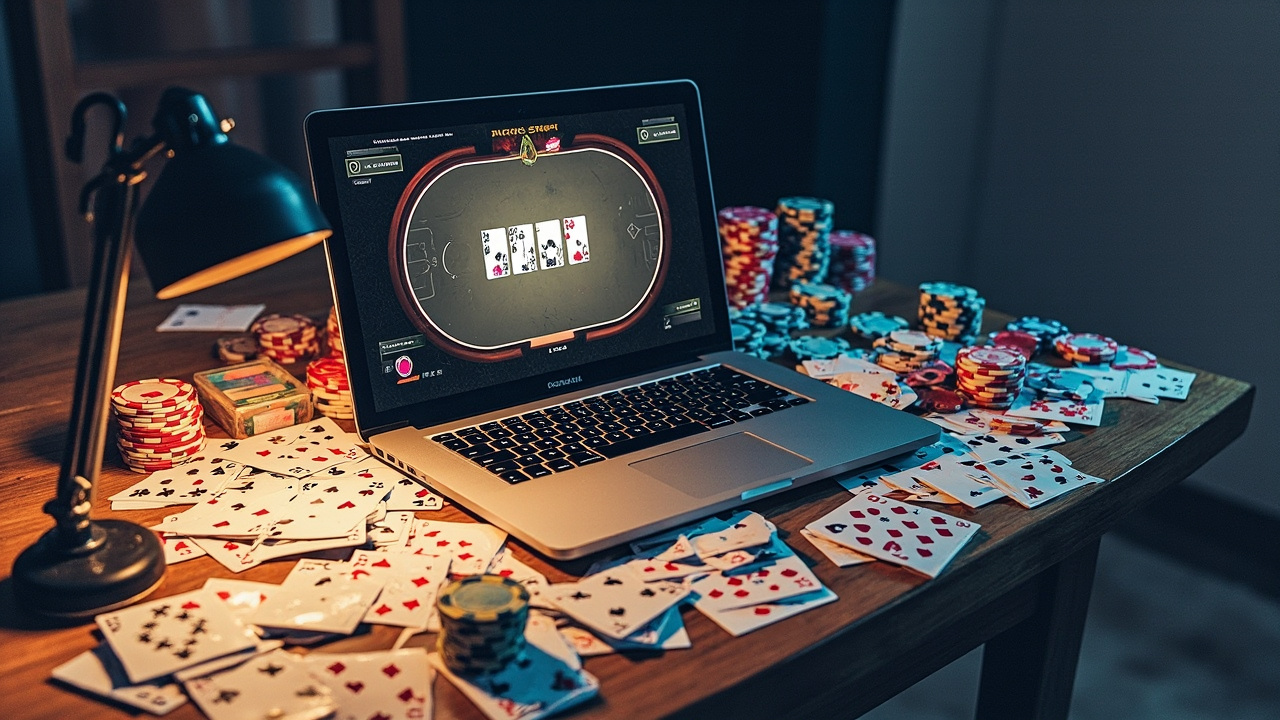
Live dealer casino how dealers are trained sits at the heart of a convincing digital table experience, especially when you’re squeezing a few hands into a commute. Dealers handle cards, chips and pace, while a human presenter keeps the session moving without feeling mechanical. The real question for Australian players is whether that polish survives a smaller screen and an unstable connection. Training shapes the game, but mobile usability decides whether the session survives.
After reviewing training standards, studio presentation and mobile interfaces across Australian-facing live casino services, one pattern emerges: the strongest operators treat live dealers as hosts, not card dispensers. That extra coaching shows up in clearer table visibility, smoother bet placement and less awkward pauses between rounds.
For players who enjoy a break from solitary reels, I’d also suggest comparing the mechanics of wheres the gold pokies with a live dealer format. Both offer a different pace, and understanding that contrast helps you choose the right session for your mobile routine.
Training Methods Behind Professional Live Dealers
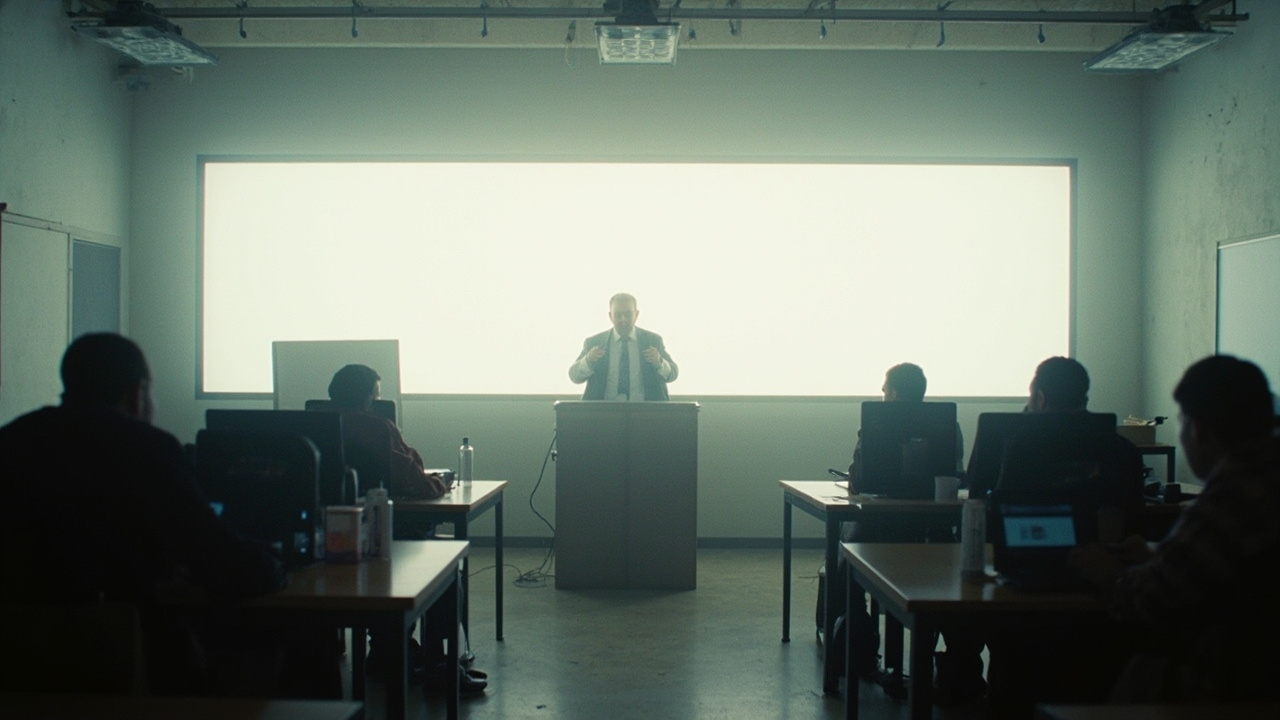
Live dealer casino how dealers are trained generally begins with game-specific certification, not general casino experience. A blackjack dealer may rehearse dealing procedures, settlement rules and player communication, while a baccarat presenter follows another set of pacing and pronunciation cues. Studios assess technical knowledge through observed drills and supervised sessions before cameras go live.
That matters because the training room is where awkwardness gets removed. Dealers practise handling equipment, reading table limits and recovering from mistakes without turning a routine error into a distraction. Language coaching often covers clear number announcements, consistent names and the subtle cues that make a table easy to follow.
In my view, the benchmark is not polish alone. A beautifully presented dealer can still frustrate players if the betting panel is cluttered or the video feed lags. Lachlan Clarke, Digital Acquisition Director at Waratah Digital Group, puts it this way: “A live game only feels premium when the dealer’s standards and the platform’s performance meet on the same screen.” That is a sensible test for any mobile session.
| Training area | What the dealer practises | What a player may notice |
|---|---|---|
| Game rules | Settlements, limits and unusual outcomes | Fewer disputed calls and clearer rounds |
| Equipment handling | Shuffling, dealing and chip movement | Consistent pacing and readable hands |
| Communication | Number calls, table etiquette and tone | An easier session to follow on a phone |
| Camera delivery | Eye line, positioning and hand visibility | Cards remain visible at smaller screen sizes |
| Recovery | Handling errors and awkward pauses | Less disruption when something unexpected occurs |
No one expects a dealer to eliminate ordinary mistakes. The stronger standard is a controlled recovery: acknowledge the issue, correct it and resume without unnecessary delay. That kind of professionalism matters when you’re playing in a queue at Brisbane Airport rather than sitting at a full-size desk.
Mobile Live Tables Where Training Meets Technology
The strongest training programmes combine table discipline with camera and software rehearsals. Presenter coaching covers framing, hand placement and the distance required to keep cards visible, while software training teaches dealers to monitor bets, approve results and manage pauses between decisions. This prevents the common mismatch where the human performance feels excellent but the digital layer cannot keep pace.
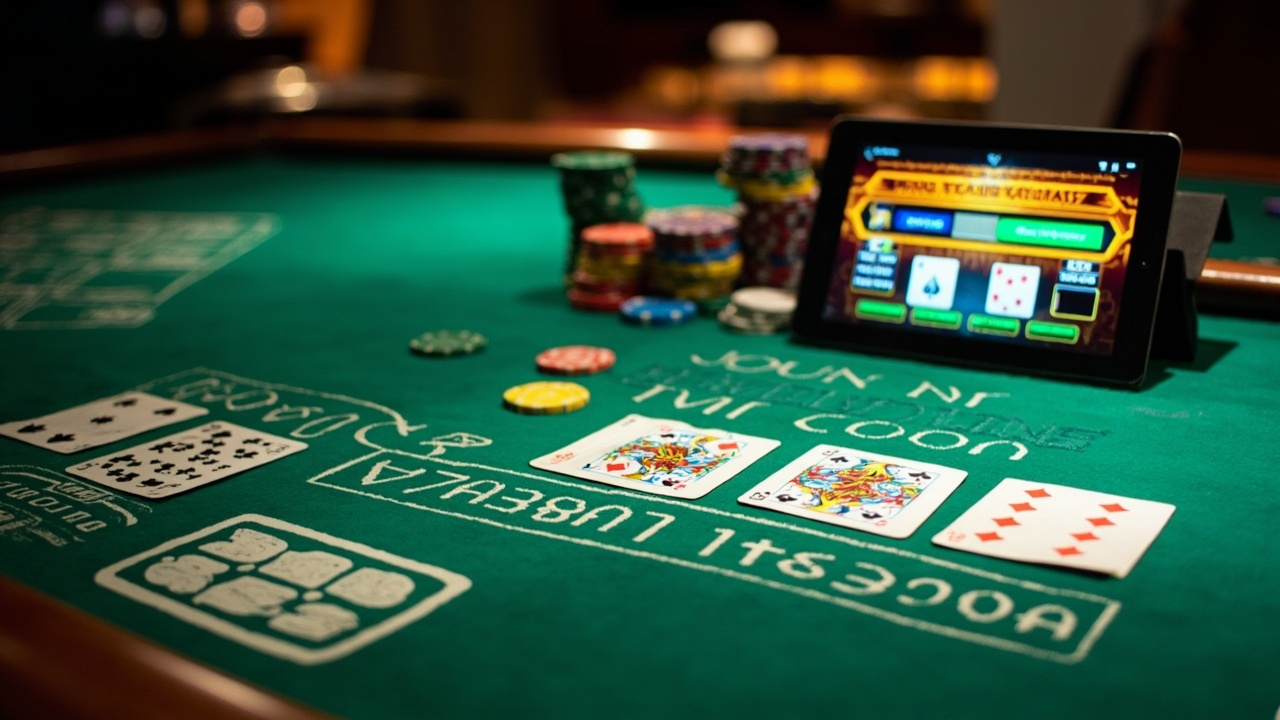
On a phone, small details become decisive. Portrait orientation should show the dealer, cards, chip area and betting controls without forcing repeated zooming. Betting buttons need enough space for imperfect thumbs, while the live balance and recent results should remain legible without obscuring the action. A compact navigation bar also helps players switch between tables without abandoning the current session.
Performance is equally important. HD video looks impressive on paper, but a mobile connection rarely behaves like a fixed-line fibre service. Adaptive streaming, sensible default resolution and quick loading states make more difference than maximum video quality. Gamers who value responsive navigation can compare that experience with a desktop live casino setup to understand which features translate cleanly to a smaller display.
Benjamin Wilson, Commercial Director at Capital Territory Gaming Forum, offers a practical warning: “A dealer cannot compensate for a platform that freezes mid-bet, so operational rehearsals must include the mobile handover as well as the studio floor.” I agree. Dealer professionalism should be matched by technical resilience, particularly during busy evening periods in Brisbane.
Amelia Gibson, Head of Analytics at Coral Coast Interactive, adds another commercial perspective: “Trust is built when training, presentation and product performance reinforce each other rather than operating as separate departments.” That is exactly the distinction many promotional reviews miss. A trained presenter adds credibility, but the interface and backend still need to support that credibility.
Dealer Standards in Daily Play
Game-specific rehearsals remain the foundation. New dealers work through dealing sequences, settlement examples and limit changes under supervision. They also learn to explain outcomes without sounding robotic. A sentence such as “player wins with a natural” is clear; a long explanation of every rule is not necessarily helpful at a mobile blackjack table.
Camera training is just as practical. Dealers practise keeping cards inside the capture area, avoiding blocked hands and maintaining a natural presentation. Equipment handling drills cover shuffles, chip procedures and the physical layout of each table. A studio can use a modified card deck for demonstrations, but its actual equipment still depends on the game provider’s requirements.
Software and Studio Rehearsals
A live dealer operates inside a digital workflow, so software rehearsals matter. Dealers need to understand the sequence for accepting bets, confirming results and ending a round. They also practise what to do if a player disconnects, a result needs review or the session must pause. The aim is to keep the human interaction warm while the system performs the accounting.
Clear communication is useful here. When a game pauses for verification, players should know why rather than staring at a frozen table. That does not mean revealing sensitive account details on screen; it means providing a concise status message and a sensible route to support. In practice, the best operators make the game state understandable without cluttering the interface.
Mobile Interface and Session Controls
The mobile layer should shorten the path from opening the app to placing a bet. A persistent lobby, visible table limits and an uncluttered betting panel all reduce friction. Portrait support is useful, but landscape can still work well when the controls remain clear and the dealer’s hands stay visible.
Think about your typical arvo rather than a staged test session. One-handed use, quick table switching and readable chip denominations matter. If the live table becomes awkward on a five-inch screen, no amount of dealer coaching will rescue it.
Who Fits a Dealer-Led Mobile Experience?
Live dealer casino how dealers are trained is especially relevant to players who want human presence without the overhead of visiting a physical casino. It suits people who enjoy the rhythm of blackjack or baccarat, understand table limits and can pause comfortably when a session needs time. Clear dealer delivery also helps newcomers learn the flow, although the game rules still require a basic grasp.
It is less suitable for players who want constant reels, rapid spins or highly private solo play. The pace is deliberate, and a mobile connection can interrupt the rhythm. Live sessions also carry the usual gambling risk, so set a deposit limit before joining rather than chasing a pause in activity.
Based on training standards, mobile presentation and everyday usability, the verdict is straightforward: choose a live dealer casino where professional coaching and mobile performance feel like one product. You should be able to follow the cards, place bets and understand each round without fighting the interface.
Building a Thoughtful Live Casino Routine
A good live session depends on human standards and a device that keeps up with them. Watch the dealer’s pacing, the clarity of the betting panel and how the platform handles brief interruptions. Test a few rounds in portrait mode before committing your usual budget, and use responsible gambling tools where available.
The best fit is for an adult player who values readable tables, steady pacing and a human presenter alongside a well-built mobile interface. For anyone who prefers something different, the reels-style mechanics of wheres the gold pokies provide a useful comparison point. No worries – just pick the format that suits your routine, set firm limits and keep the experience enjoyable rather than urgent.