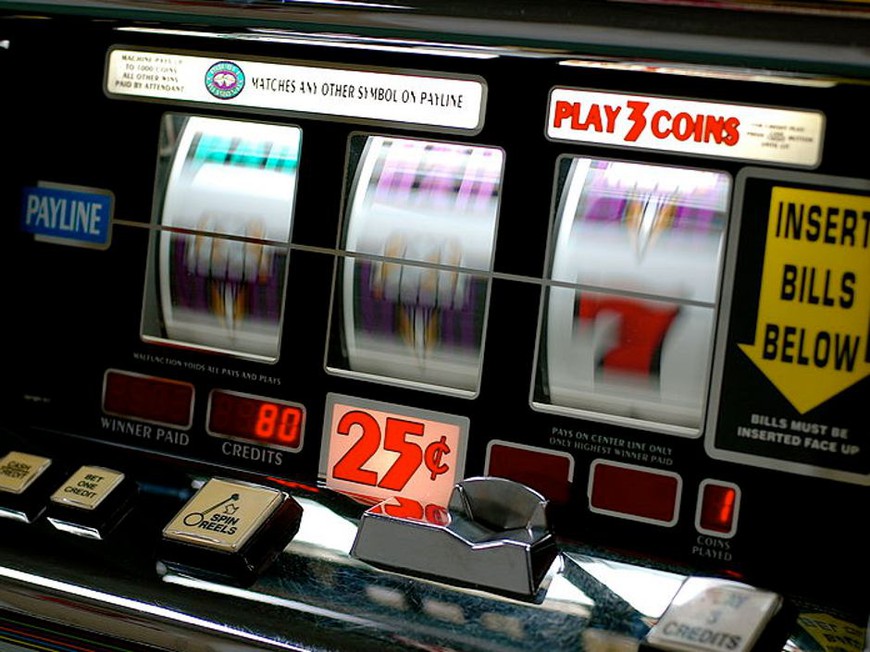
I have devoted considerable time examining how online platforms organize their wagering ceilings, and I can say with confidence that betting limits are among the most misinterpreted features in the industry. A limit is not simply a sign telling you how much you can risk. It is an engineered boundary that secures the operator, complies with regulatory frameworks, and directly shapes your experience as a player. When you land on a site like Janusz Casino, the numbers you come across on table cards and slot loading screens represent careful financial modeling, not arbitrary house rules. In this breakdown, I will guide you through the mechanics behind those figures, clarifying how they influence everything from bonus viability to withdrawal pacing, and what you should realistically anticipate when you sit down to play.
Game Contribution and Its Effect on Realistic Limits
Game allocation percentages create an indirect but powerful betting constraint during bonus playthroughs. A slot could contribute one hundred percent of each wager towards the rollover requirement, while a blackjack table offers only ten percent. This differential effectively multiplies the amount you need to cycle through the casino to release your funds. If your chosen table game holds a low weighting, the actual ceiling on your bonus session is not the house’s maximum bet but goal.com more your own patience and bankroll endurance. I compute the effective required handle by dividing the rollover sum by the contribution fraction, which frequently reveals that chasing a bonus through high-strategy games requires a turnover volume many times larger than the headline figure suggests.
The weighting system additionally interacts with the maximum bet clause in ways that casual players miss. On a low-contribution game, adhering to the bonus stake cap means you are progressing through the rollover requirement at a crawl. This friction is intentional, designed to encourage exploration of slots where both contribution and variance align with the promotional model. I do not view this as predatory, but I do believe operators should display the effective hourly cost of clearing a bonus on various game types, so you can make an informed choice about whether your available playing time matches the commitment required. Janusz Casino labels contribution rates on the promotions page itself, which saves you the trouble of digging through a separate terms PDF.
Withdrawal Limits and Processing Realities
Payout restrictions attract greater player frustration than any other operational rule, and I see why. Hitting a substantial win only to discover that you can access it in weekly slices feels restrictive. That said, these ceilings are not typically designed as punitive measures. They are anti-fraud and liquidity-management tools. A regular weekly payout ceiling helps the finance team group processing runs and conduct manual reviews on anomalous account activity without halting all outgoing payments across the board. Janusz Casino posts separate daily and monthly payout thresholds, which I consider more useful than a single blanket ceiling because you can manage cash-out pacing around both your bankroll size and your personal liquidity needs.
Processing time deserves similar scrutiny. A limit expressed in euros per week matters little if the internal approval queue adds five business days to every request. When I evaluate a platform’s withdrawal process, I measure the interval between pressing “confirm” and receiving the funds in a non-custodial wallet or bank account. Account verification state, the type of payment method, and the specific day of the week all affect the actual speed. E-wallet payouts frequently clear within hours once approved, while traditional wire transfers may extend beyond three business days. The key rule I follow is finalizing identity verification before depositing heavily, because an unverified account scoring a large win almost always starts a lengthy review process that no withdrawal limit adjustment can bypass.
Deposit Thresholds That Shape Your Initial Gaming Session
The smallest deposit threshold you encounter on the cashier page is not just a administrative hurdle. It functions as a categorization instrument that routes different player profiles into appropriate promotional tracks. When I assess a platform, I focus on whether the deposit floor corresponds well to the minimum bet on the top slot games. A mismatch in this area often indicates a bad user experience layout. Janusz Casino structures its entry point so that a single smallest deposit can be distributed across dozens of stable volatility spins, which is just what you need if your goal is to assess platform responsiveness and game performance without risking too much money.
From the casino’s perspective, deposit minimums also overlap with payment processor agreements. Card networks and e-wallet providers enforce their own transaction floors, and the casino must either absorb the processing fee on micro-deposits or determine a minimum that keeps the unit economics viable. This is why many platforms display slightly different minimums depending on whether you choose a traditional bank method or a digital currency payment. I recommend reviewing the deposit page before registering, because a discrepancy between your selected transaction route and the published minimum can cause an needless obstacle. The most open casinos clearly list each method’s minimum directly on the cashier page, rather than making you start a transaction first.
Table-Based Compared to Slot Limit Framework
The fundamental difference between table game limits and slot limits is so pronounced that I treat them as fully separate products during reviews. Table games present published maximums because each wager takes up dealer time, floor capacity, and theoretical loss exposure in a statistically transparent framework. A live blackjack seat with a thousand-euro cap per hand prevents a single player from hogging the table while also capping the house’s session-level variance. These limits commonly vary by table within the same lobby, and I constantly advise verifying the placard on each virtual table individually rather than presuming a uniform house rule across all live dealer content.
Slot limits operate on a more granular scale, integrated directly in the paytable configuration rather than displayed as lobby-wide policies. The maximum spin value you see on a given title is a product of the game’s mathematical model, namely the product of coin size, coin count per line, and active paylines. Altering any of those variables shifts the ceiling. This matters because a slot marketed as a high-limit experience might still hold a lower ceiling than a standard video slot with a configurable bet multiplier. At Janusz Casino, the slot lobby offers both fixed-payline classics and modern variable-line titles, which indicates your effective maximum stake can vary by a factor of fifty between two adjacent game icons. I advise loading the paytable before your first spin on any unfamiliar title to confirm where the ceiling actually lies.
Player Categorization and Adaptive Limit Changes
Underneath the fixed figures on the website, many current casino operators run a adaptive risk system that adjusts individual account limits based on real-time activity metrics. Your deposit frequency, mean stake levels, game selection pattern, and withdrawal cadence inform a model that may automatically raise or decrease your personal thresholds over time. This is not arbitrary discrimination. Regulators in multiple jurisdictions expressly authorize operator-side limit adjustments as a responsible gambling tool, as long as the player is also able to configure their own deposit, loss, and session limits by choice. I have noticed that accounts demonstrating regular, measured engagement over multiple months commonly obtain gradually expanded table limits and quicker withdrawal approvals.
The main actionable point is that the limits you see on your first day at Janusz Casino may not be the same limits you view on your thirtieth day. The platform offers self-imposed limit tools that you control right from your account dashboard, and these take precedence over any automatic increases the system could otherwise implement. I recommend establishing a deposit ceiling that aligns with your monthly entertainment budget before you begin playing, because a manually configured limit shields you from session drift much more effectively than depending on the operator’s baseline caps. The combination of transparent static limits and user-controlled dynamic boundaries represents the most balanced approach I have found in my assessments of cashier and responsible gaming infrastructure.
Promotional Conditions and the Hidden Stake Clause
Any promotional offer I have reviewed contains a maximum bet clause tucked inside the terms, casino janusz app ios, and disregarding it is the quickest way to voiding your bonus winnings. This clause typically limits your allowed stake during an active bonus balance, irrespective of the game you are playing technically enables higher bets. The figure often stands surprisingly low, occasionally around five euros per spin or hand. The reasoning for this limit is simple. Without a stake cap, a player can utilize the welcome bonus funds, make a single high-risk wager on a volatile game, and either leave with a massive cleared balance or forfeit the bonus amount instantly. No outcome fits the operator’s intended promotional runway.
I’ve learned to read bonus terms in a specific order. To start, I pinpoint the wagering contribution percentage per game category, then I spot the maximum bet clause, and just then do I work out the rollover arithmetic. A bet cap breach can nullify thousands in withdrawable funds despite you have already fulfilled the turnover requirement, because most terms say that the cap applies from activation until the bonus is fully converted or forfeited. Janusz Casino presents these conditions in a structured breakdown that splits general rules from game-specific weightings. My practical advice is to set a mental stake ceiling slightly below the published cap to factor in any user interface lag that might register a click at a marginally higher value during rapid play.
How Lowest and Highest Stakes Are Actually Set
Most gamblers assume a casino’s maximum bet is merely a risk-management dial that the house turns up or down on a whim. The reality involves a far more intricate calculation. Game providers usually ship each title with a configurable limit range embedded in the software. The operator then adjusts these parameters against their own liquidity reserves and target player demographic. A high-limit roulette table might permit single spins of several thousand euros, but that number stands only because the platform’s finance team has determined that a negative streak of a defined length can be absorbed without breaching solvency buffers. I have observed that crypto-friendly platforms like Janusz Casino often support slightly broader ranges on provably fair titles than on traditional fiat tables, since volatility in digital asset valuations demands more headroom to keep the experience smooth.
Minimum stakes operate on a different logic entirely. check now They function as an acquisition funnel rather than a protective measure. Setting a slot spin floor at a few cents allows the operator to gather data on new titles without demanding significant commitment from early adopters. The house accumulates aggregate behavioral data on session duration and bonus trigger rates, which then guides future placement of that game in the lobby. From your perspective, a low minimum is an intelligence-gathering opportunity as well. I often use the lowest possible stake on an unfamiliar slot to measure its natural hit frequency before committing larger sums, a tactic that only succeeds when the platform explicitly publishes its floor limits without hiding them behind deposit thresholds.